

If you ask most businesses what drives growth, you’ll hear: product, performance marketing, innovation, maybe AI.
But rarely do you hear this answer:
“Better briefs.”
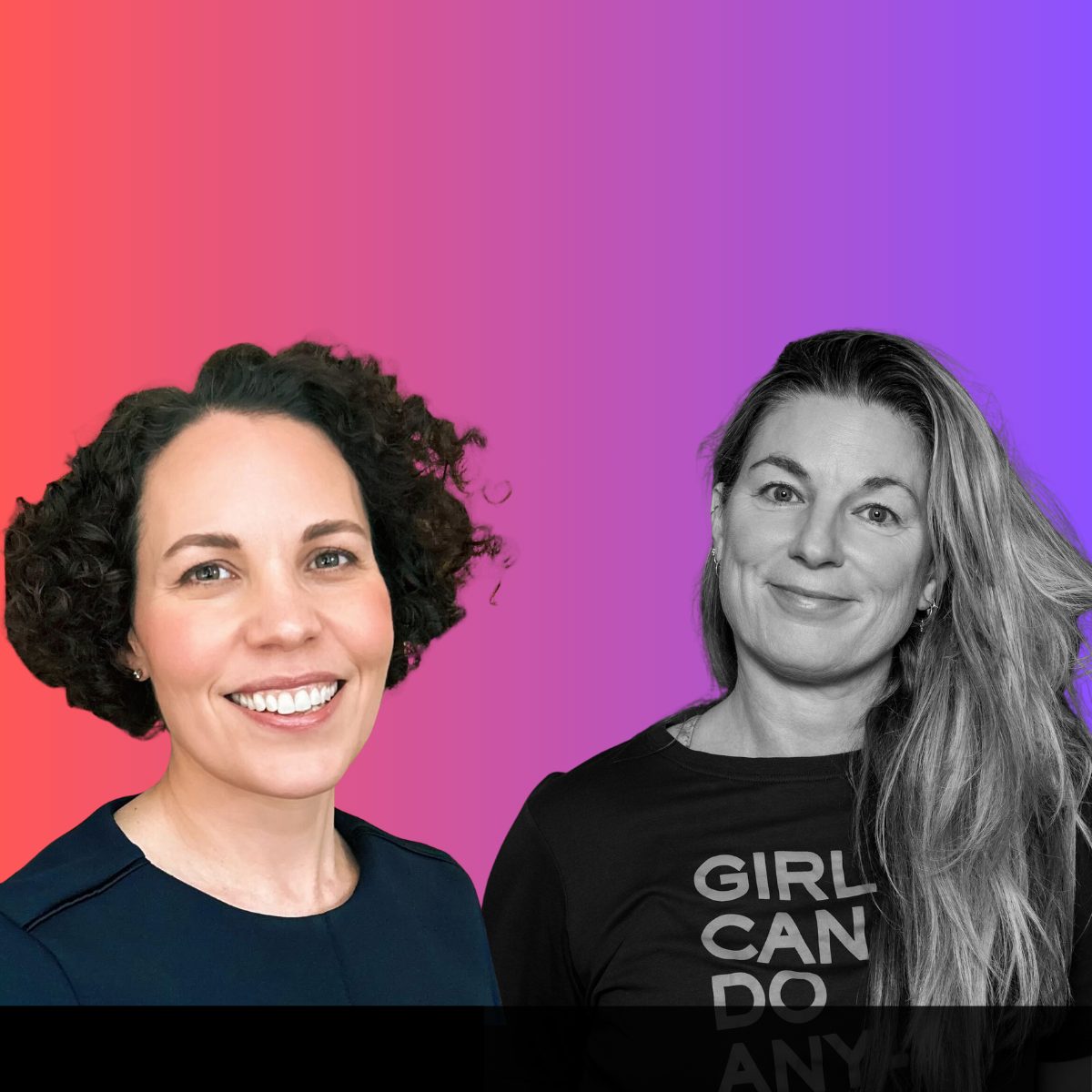
And yet, as highlighted in this recent creative leadership interview with Katie Rosen, Global Head of Creative, poor briefing isn’t just an operational issue; it’s a strategic point of failure costing businesses time, money, and trust.
Meet Katie
One of Metallica’s biggest fans, as we speak, Katie is making final preparations to attend ten of their upcoming shows across the UK & Europe!
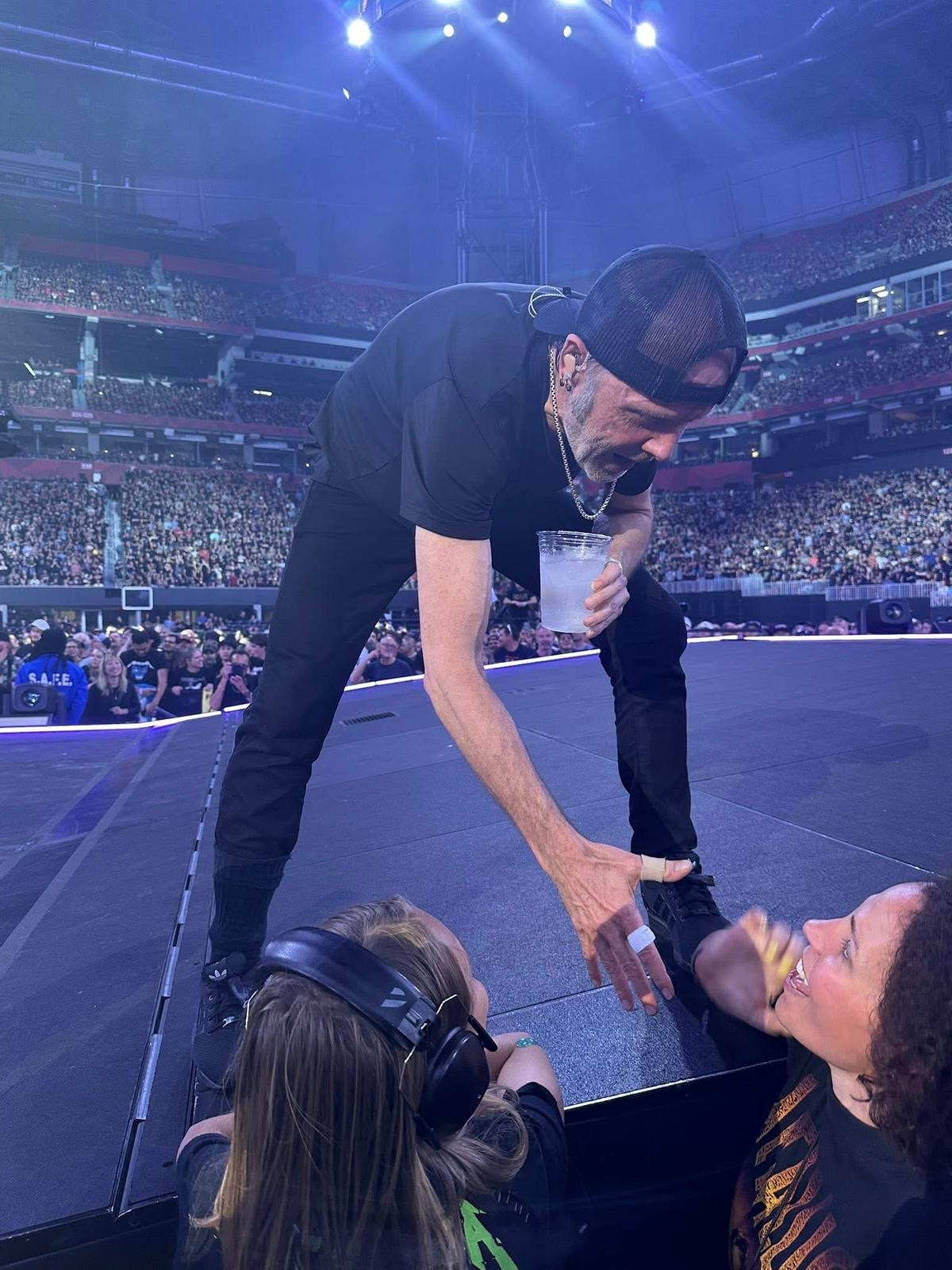
For Katie, whether it is a stadium tour or a global campaign, it all comes down to the same thing: understanding what drives people and delivering an experience that sticks.
I met Katie at The English Football Association, she led The FA’s in-house creative studio when I managed the marketing for Wembley Stadium. She’s seen millions of ‘war and peace’ briefs (including my own) and understands the challenges creative teams are up against.
As Global Head of Creative, Katie has helped to increase the value of some of the world’s fastest-growing brands from innocent to Gousto and beyond.
We could talk about creativity and the business of brands (and what it’s like to be a superfan) all day… but today I wanted to ask Katie six questions about the challenges in-house creative teams face and how they can make a bigger impact.
Sarah: What’s the biggest single challenge for global in-house creative studios?
The real problem? Creativity is treated like decoration
Katie: One of the biggest challenges for in-house creative teams isn’t talent, it’s perception.
Creative is often seen as:
- The “nice-to-have”
- The final polish
- The execution layer
But in reality?
Creatives are problem solvers
When they’re brought in too late — after decisions are made — their role gets reduced to execution. And that’s where value is lost.
The brief is the contract
A powerful idea from the conversation:
“The brief is the contract between the brief owner and the creative team.”
Sarah: What’s the most common mistake marketers make with brief writing?
Katie: If the brief is wrong:
- The work won't deliver the strategic impact
- Key relationships are damaged
- Resources (time and budgets) are wasted
It’s that simple.
And yet, common issues persist:
The most common briefing mistakes
- Too prescriptive (“Make it purple, do X, Y, Z”)
- Too vague (no deliverables, no direction)
- Too many objectives and no success metrics
- Written by committee for stakeholders, and not creatives
- Created too late in the process
Sarah: What’s the business impact of bad briefs?
Katie: The result?
👉 Misalignment
👉 Rework
👉 Frustration on both sides
And often wasted budgets (estimated at one third)
The hidden cost: eroded trust
Bad briefs don’t just waste money.
They damage relationships.
- Marketers feel creatives “don’t get it”
- Creatives feel set up to fail
- Teams stop trusting the process
Over time, briefing itself becomes a dreaded task or worse, ignored.
Sarah: What makes a brief great?
What Great Looks Like
Katie: High-performing creative organisations treat briefing as:
1. A skill (not admin)
Briefing requires:
- Strategic thinking
- Clarity
- Decision-making
It’s not something you “knock up in 5 minutes.”
2. A process (not a document)
Great teams:
- Align stakeholders early
- Define success upfront
- Bring creatives in before solutions exist
Because once you jump to the solution…
👉 You’ve already limited the outcome
3. A creative catalyst
The best briefs don’t constrain creativity; they unlock it.
They answer:
- What problem are we solving?
- Who is it for?
- Why does it matter?
- What does success look like?
And then…
They give creatives the freedom to explore.
Sarah: As a creative leader, how do you inspire teams to have the confidence (and the air cover) to do their best work?
Creativity needs the right environment
Katie: Even with a great brief, creativity doesn’t thrive in rigid systems.
Key conditions highlighted:
- Psychological safety (mistakes are part of progress)
- Flexibility (creativity doesn’t happen at a desk 24/7)
- Clear vision and guardrails (not micromanagement)
- Exposure to inspiring work
Because creativity isn’t just output… It’s a state of mind.
Sarah: What's the biggest opportunity and challenge for creative studios with AI?
AI: opportunity vs illusion
Katie: AI is a huge opportunity, not without risk.
✅ Where AI adds value
- High-volume, repetitive tasks (e.g. copy churn)
- Speed and efficiency
- Supporting ideation
❌ Where AI falls short
- Strategic thinking
- Original problem solving
- Brand authenticity
The key insight:
“The answer isn’t ‘use AI’... It’s ‘how does AI solve this specific problem?’”
The bigger risk: trust
For brands, misuse of AI can damage something far more valuable than efficiency:
👉 Consumer trust
Examples discussed:
- AI-generated product imagery reducing credibility
- Legal and copyright risks
- Ethical concerns around authenticity
In short:
Just because you can use AI, doesn’t mean you should.
Sarah: How can creative studios fix what’s broken?
The opportunity: fix the foundation
Katie: While everyone is chasing faster outputs…
The real competitive advantage is considered thinking upfront.
Because:
👉 A better brief = better work
👉 Better work = stronger brand
👉 Stronger brand = business growth
Final thought
If you want to unlock better creativity, better campaigns, and better results…
Don’t start with tools.
Start with the brief.
You can follow Katie on LinkedIn. Follow PlatformAlt5™ on LinkedIn
Get in touch to find out how BriefBrain™ can help your marketing teams write better briefs and inspire creative teams to make a bigger impact.
Great Briefs Help Grow Brands


